最新のインテリジェントなVenloポリカーボネートパネルマルチスパン太陽光発電温室

Glass greenhouse
August 13, 2025
カテゴリー 接続: PCシートの温室
概要: 最新型のインテリジェントなVenloポリカーボネートパネル多スパンソーラー光起電力温室を発見してください。これは、光起電力発電と施設園芸を革新的に統合したものです。「屋根での発電と下での栽培」という形で土地利用を最大化し、食用キノコ、漢方薬、高価値換金作物などの作物に合わせて光透過率を調整できます。クリーンエネルギー、オフシーズン栽培、環境に優しいメリットをお楽しみください。
関連製品特性:
  • Achieves dual benefits of agricultural production and photovoltaic power generation for improved land utilization.
  • Features adjustable light transmittance in PV panels to meet specific crop lighting requirements.
  • Provides clean energy to power greenhouse systems like temperature control, irrigation, and supplemental lighting.
  • Enables off-season planting and year-round production to extend market supply cycles.
  • Reduces carbon emissions and dependence on traditional energy sources for environmental sustainability.
  • Supports precise environmental control to reduce chemical use and enhance crop quality and value.
  • Ideal for cultivating low-light crops like edible fungi, shade-loving herbs, and high-value cash crops.
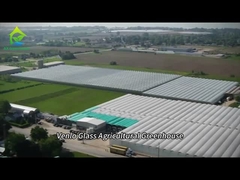
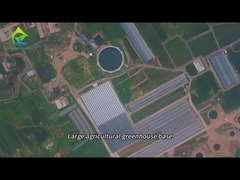
  • Suitable for protected agriculture parks and large-scale projects combining agriculture with new energy.
FAQ:
  • What is a photovoltaic greenhouse and how does it work?
    A photovoltaic greenhouse integrates solar panels on the roof or sides to generate electricity while allowing cultivation below. It uses a 'power generation on the roof, cultivation below' model, where panels can adjust light transmittance for crops and provide clean energy for greenhouse operations.
  • Which types of crops are suitable for growing in a photovoltaic greenhouse?
    It is ideal for low-light-tolerant crops like edible mushrooms, shade-loving Chinese herbal medicines, and high-value cash crops such as sprouts and ornamental plants, thanks to customizable light conditions.
  • What are the main advantages of using a photovoltaic greenhouse?
    Key advantages include dual benefits of agriculture and power generation, reduced energy costs via self-supplied electricity, year-round production capability, lower carbon emissions, and improved crop quality through precise environmental control.